

 InfoSearched
Japan’s work culture has a body count, and the government is finally trying to cap it.
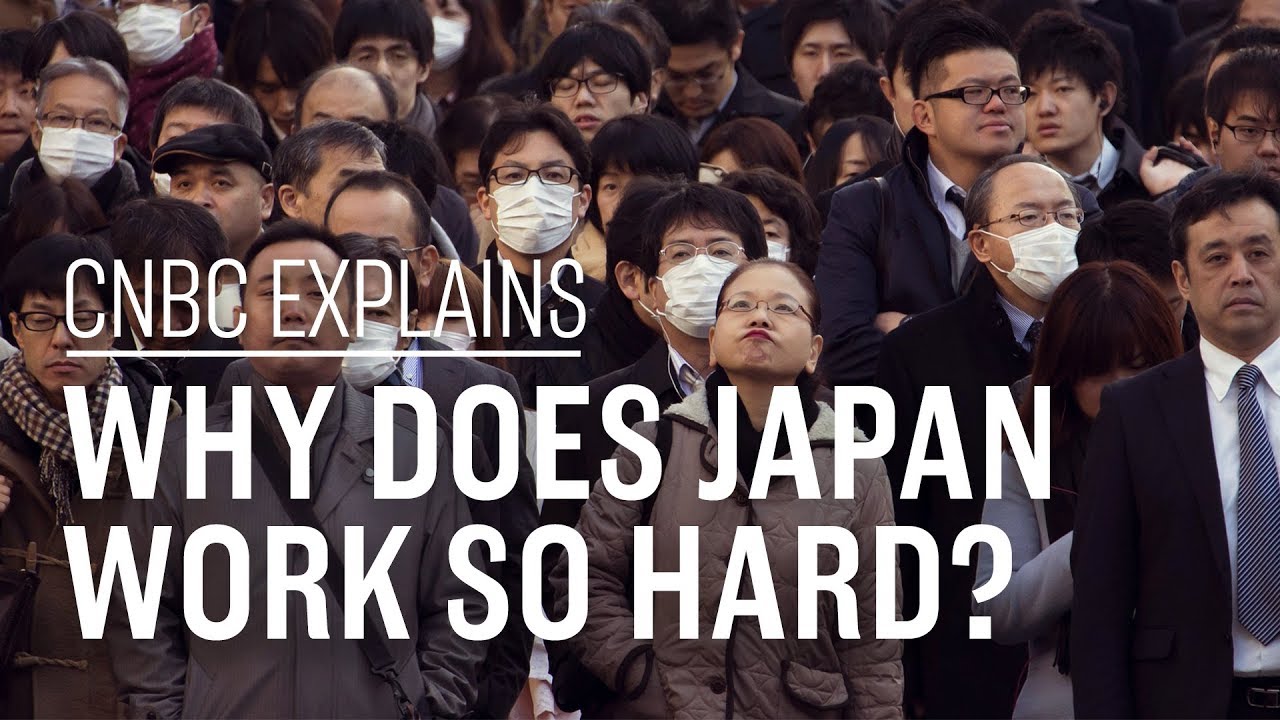
CNBC’s Uptin Saiidi heads to Tokyo in “Why does Japan work so hard?” to unpack a phenomenon most outsiders only half-understand: a country wealthy and modern enough to lead the world in robotics and rail, yet still built around a workday that regularly stretches long past dark. The video traces the roots of that culture back to postwar reconstruction and asks what, if anything, Japan’s new labor law is actually changing.
- Government data cited in the report shows roughly a quarter of Japanese men work 49 or more hours per week.
- Japan’s medical threshold for karoshi risk is 80 to 100 hours of overtime per month — and the country’s new legal cap tops out at 100 hours during peak periods.
- The Work Style Reform Act, in effect since April 2019, set Japan’s first legally binding overtime limits: generally 45 hours a month, with carve-outs and multi-year exemptions for sectors like transport and healthcare.
The Word Behind the Overtime
Saiidi’s reporting keeps circling back to one Japanese idea: ganbaru, roughly “perseverance” or “doing your best no matter what.” It’s taught from childhood and reinforced in the workplace, where staying late — even when there’s little left to do — reads as loyalty and face time gets treated as proof of dedication. That mindset, married to Japan’s postwar drive to rebuild an economy from rubble into the world’s third-largest, hardened into a corporate culture where clocking out early can look like you don’t care.
The report doesn’t romanticize it. It frames the same instinct that helped Japan’s export machine outproduce rivals for decades as the exact instinct now sending workers to the hospital — and in the worst cases, to the morgue.
Karoshi and Karojisatsu
The video lays out the two Japanese terms that made this a national crisis rather than a cultural quirk: karoshi, death from overwork, and karojisatsu, suicide from overwork. Both entered public consciousness after a string of high-profile corporate tragedies, including cases tied to advertising giant Dentsu, that put a face on a problem regulators had mostly ignored. Claims for work-related heart disease and mental illness climbed high enough that the government could no longer treat overtime as a private matter between employer and employee.
Japan’s own health guidelines put the karoshi danger zone at 80 to 100 overtime hours a month — and the country’s brand-new legal ceiling allows up to 100.
That’s the number that keeps coming up throughout the report: the line the government drew to protect workers sits almost on top of the line doctors use to define lethal overwork.
Core Provisions of Work Reform
Saiidi walks through the mechanics of the Work Style Reform Act, which took effect in April 2019 and marked the first time Japan attached legal teeth to overtime limits. The law generally caps monthly overtime at 45 hours, allows up to 100 hours during a company’s busiest stretches, and pushes employers toward flexible scheduling and equal pay for equal work regardless of employment status. For a country that had never before written a hard number into law, it’s a real shift on paper.
Whether it’s a real shift in practice is a different question. Labor advocates interviewed for the piece, including the Tokyo-based NGO Posse, point to three specific gaps: the 100-hour peak-season allowance still borders the medical danger zone; sectors like transport and healthcare were granted multi-year delays before the caps even apply to them; and so-called “service overtime” — unpaid, unrecorded hours worked off the clock — remains almost impossible to police without real workplace monitoring.
Enforcement Is the Catch
The report’s clearest takeaway is that passing a law and changing a culture are two different projects on two different timelines. Japan now has numbers on the books, but the habits Saiidi documents on Tokyo’s streets and in its offices — the late trains, the after-hours drinking with the boss, the reluctance to be first to leave — don’t disappear because a statute says 45 hours. Readers curious about the day-to-day texture of that culture, from capsule hotels built for workers who miss the last train home to the broader strains on Japanese society, can find more context in CNBC’s companion reporting, including its look at how a Japanese capsule hotel actually functions and its separate documentary on Japan’s shrinking social fabric.
Anyone planning to visit rather than just watch from afar will notice the contrast the report hints at — a country that runs on precision and exhaustion in equal measure, covered in more practical detail in a general Japan travel guide.
Saiidi leaves it there: a legal cap now exists where none did before April 2019, but it sits just under the number doctors already use to define a death sentence, and the sectors most notorious for grueling hours got years to comply. The law changed. The culture, by CNBC’s own reporting, hadn’t caught up yet.









Royal Caribbean Liberty Of The Seas Ship Tour
10 MINI CAMPER TRAILERS | AMERICAN MADE and UNDER $10,000 | 2020 – 2021
South Africa Family Vacation by Travel With Kids // TWKTours.com
BOAT TOUR | Custom Built Off-Grid Expedition Yacht
IRELAND WITH KIDS – 5 Reasons to visit | Family Travel Vlog – Traveling Graces