


 InfoSearched
Three bloggers, one country, and the gap between a samurai garden and a gallery wall.
Lonely Planet’s “Japan Revealed” series doesn’t try to cram the entire country into one highlight reel. The “Culture” installment narrows the lens instead, following three travel bloggers as they move between a noh theatre stage, a manicured samurai garden, and a contemporary art gallery to show how Japan holds centuries-old tradition and cutting-edge aesthetics in the same hand. It’s a short promotional piece, but it’s built around a real question travelers ask before they ever land in Narita: how do you see both sides of Japan in one trip?
- The video is part of Lonely Planet’s “Japan Revealed” digital campaign, a video series dispatching three travel bloggers across different regions of the country.
- The “Culture” episode specifically covers classical noh theatre performances, traditional samurai gardens, and modern contemporary art galleries.
- The piece frames Japan’s cultural offering as a deliberate contrast between historical artistic practice and present-day aesthetics rather than a single genre or era.
Noh Theatre as the Anchor
Noh is the oldest major theatre form still performed regularly anywhere in the world, and it’s the piece the video leans on to establish Japan’s artistic depth before jumping to anything modern. The bloggers are shown taking in a performance built around masked actors, minimalist staging, and the slow, deliberate movement that defines the form — a style built for patience rather than spectacle. Lonely Planet uses it as the anchor point of the “Culture” episode precisely because it can’t be replicated or rushed; you either sit with it or you don’t get it.
The Samurai Garden Stop
From the stage, the video shifts outdoors to a samurai garden, the kind of meticulously composed landscape historically attached to a warrior-class residence — raked gravel, positioned stone, trained trees, water features arranged to be viewed from a fixed vantage point rather than wandered through freely. It’s a deliberate counterweight to noh’s interior stillness: same discipline, same attention to detail, but expressed through landscape architecture instead of performance. Viewers curious about how these gardens fit into a broader Japan itinerary can find planning detail in Lonely Planet’s own Japan travel guide.
Two of the three stops are centuries old; the third is the gallery wall that proves the tradition never stopped moving.
Contemporary Art as the Pivot
The episode’s third stop is where the contrast lands hardest — a contemporary art gallery, sleek and white-walled, standing in deliberate opposition to the wood, stone, and gravel of the previous two segments. It’s the moment the video makes its actual argument: Japan’s culture isn’t a museum piece frozen in the Edo period, it’s an active, still-producing scene that happens to sit directly next to the oldest theatre tradition on the planet. The three bloggers moving through all three settings in one video is the whole point — nobody has to choose between old Japan and new Japan on a single trip.
Benefits of Format for Travelers
Lonely Planet built the “Japan Revealed” series as a planning tool as much as inspiration, and the “Culture” cut does that job efficiently: three settings, roughly the amount of time a traveler might realistically budget across a single itinerary stretch, no filler stops. It sits alongside the brand’s broader coverage of Japan travel logistics, and pairs naturally with grounded, on-the-ground looks at daily life in the country, like the capsule hotel walkthrough out of Osaka or the explainer on why Japan works the hours it does — the promotional gloss of Lonely Planet’s video next to the unfiltered version of the country.
The video runs a few minutes, but the itinerary it sketches — noh stage, samurai garden, gallery — is the exact shape a lot of first-time visitors end up building for themselves once they get past Tokyo’s train map and start asking a local for one thing worth seeing that isn’t in the guidebook twice.




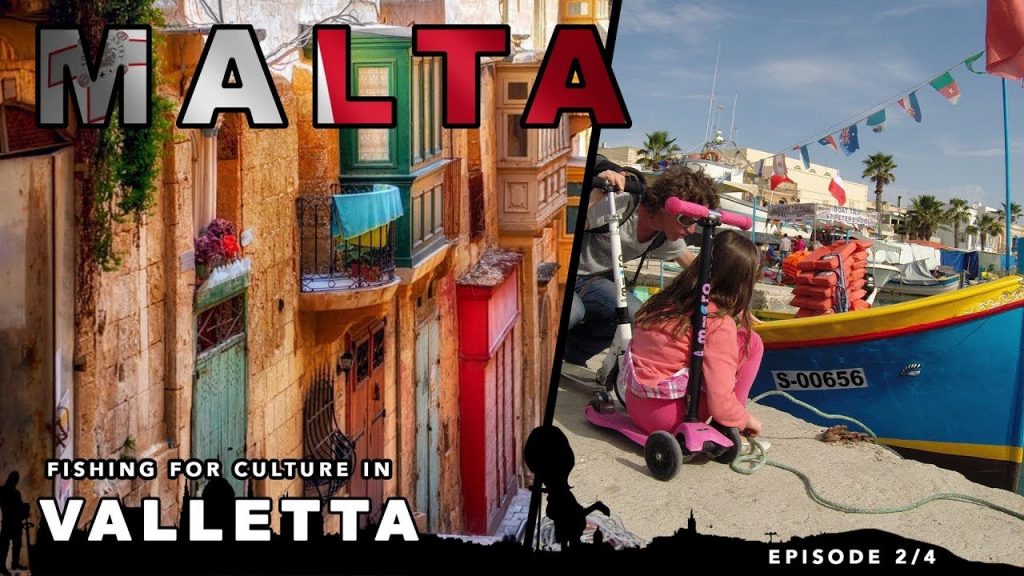

Discovering Valletta : Malta European capital of culture 2018 | travel with children | family travel
11 TIPS for saving money on Family Travel. Is travel TOO EXPENSIVE with kids?
First Impressions KATHMANDU | CULTURE SHOCK NEPAL
AMAZING Street Food in CHINA | RARELY SEEN Street Food ADVENTURE TRAVEL VLOG
The Black Hills and Badlands of South Dakota: Outdoors and Cultural Attractions