

 InfoSearched
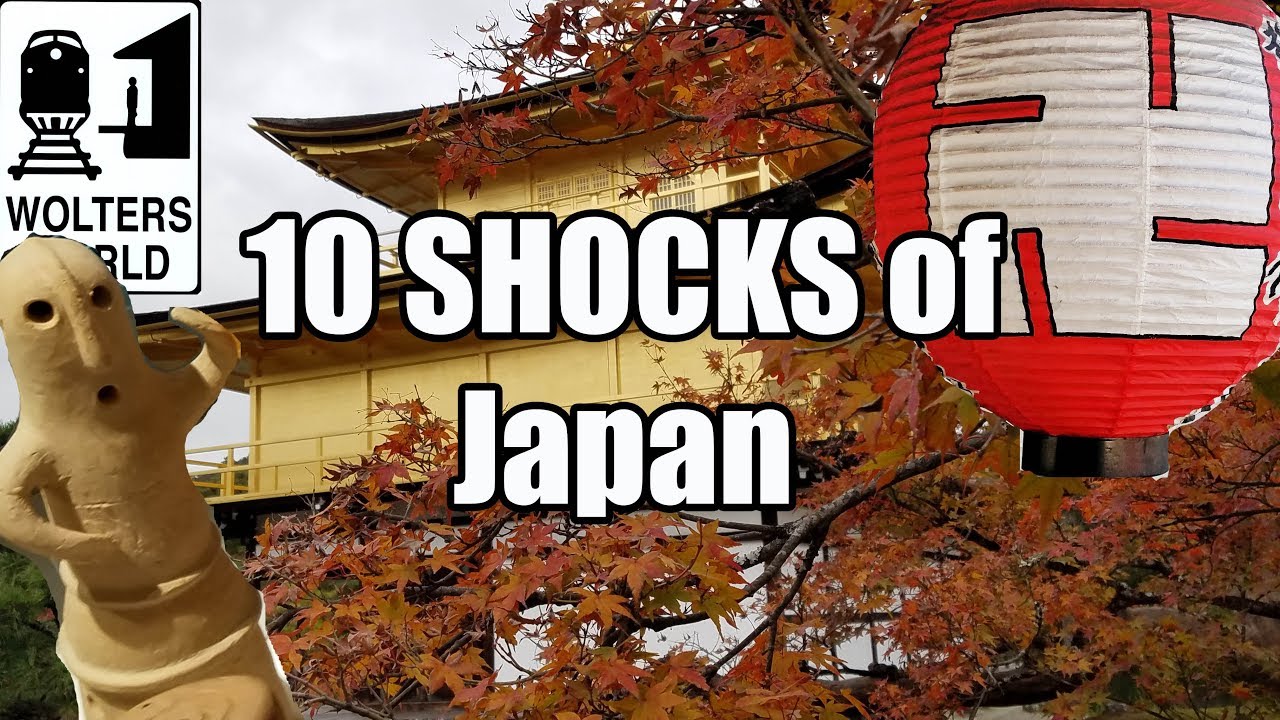
Mark Wolters stands outside Kyoto’s Golden Pavilion and runs down the 18 moments that catch every first-time visitor to Japan off guard.
Wolters World has built a following on no-nonsense travel breakdowns, and this one, filmed on the grounds of Kinkaku-ji in Kyoto, is a checklist for anyone landing in Japan for the first time. Host Mark Wolters walks through the bathroom tech, the food displays, the trash-can shortage, and the etiquette rules that trip up tourists before they even realize they’ve broken one. None of it requires fluent Japanese — just a heads-up on what’s coming.
- Japan’s toilets often come loaded with heated seats, bidet functions, remote-control panels, and built-in blow dryers.
- Street smoking is banned or heavily restricted with fines, eating while walking is considered impolite, and there’s essentially no tipping — leaving cash can actually confuse or offend.
- The swastika-like “manji” symbol seen on maps and temple grounds marks Buddhist sites and has nothing to do with Nazi imagery.
The Toilet Everyone Talks About
Wolters doesn’t bury the lede — Japanese toilets are the culture shock tourists mention first when they get home. Heated seats, remote-control panels mounted on the wall, bidet settings, and even blow dryers are standard in hotels, department stores, and plenty of private homes. For a country associated with minimalism, the bathroom is where Japan shows off its engineering instincts, and Wolters treats it as the single most disorienting five minutes a first-time visitor will have in the country.
The same instinct for solving small daily problems shows up outside restaurants, where plastic food replicas sit in display cases so realistic that Wolters says travelers will genuinely try to order the fake dish. It’s a workaround for menus that skip English translations, and it doubles as free advertising. Anyone curious about how this kind of practical, tech-forward hospitality extends into lodging should look at what a Japanese capsule hotel is really like, which runs on the same logic of designing around space and convenience.
Clean Streets, No Trash Cans
Wolters highlights one of the more counterintuitive facts about Japan: sidewalks, train platforms, and shop floors stay spotless despite the near-total absence of public trash cans. Visitors expecting a bin on every corner end up carrying wrappers and empty bottles for blocks, which Wolters frames not as an inconvenience but as a window into how seriously Japanese society treats shared space.
That same social discipline governs how people move through public areas. Street smoking is banned or heavily restricted with fines in many districts, eating while walking is frowned upon, and blowing your nose or sneezing loudly in public is something locals actively try to avoid. None of these are written rules tourists get handed at the airport — they’re customs Wolters says you only learn by watching everyone around you.
Paying the Bill, Not the Waiter
Commerce in Japan runs differently than most Western travelers expect. Wolters explains that Japan holds firmly to a no-tipping culture — leave extra cash on the table and you’re more likely to create confusion than goodwill. Bills also aren’t settled at the table; diners typically pay at a cashier counter near the exit rather than handing money directly to waitstaff.
The kindness, the helpfulness of the Japanese people makes it very easy to overcome any culture shock you might have.
That line sums up Wolters’ larger point: the rules are real, but the people make them easy to navigate. Readers planning their own itinerary can pair this rundown with the practical logistics covered in the Japan Travel Guide, and for a look at how these same social norms intersect with demographics and daily life, Why does Japan work so hard? digs into the work culture that shapes a lot of what Wolters points out on camera.
The Symbol Tourists Get Wrong
One of the more pointed clarifications in the video involves the “manji,” a swastika-like symbol tourists spot on maps, temple signage, and grounds markers across the country. Wolters is direct about it: the symbol represents Buddhist good fortune and has been used in Japan for centuries, predating and having no connection to Nazi Germany’s use of a similar mark. It’s the kind of detail that can genuinely alarm a first-time visitor scanning a map for directions to a temple, and Wolters treats it as required knowledge before anyone steps off the plane.
Wolters wraps the list the way he opens it — standing outside Kinkaku-ji, reminding viewers that every one of these 18 shocks gets smoothed over fast once you’re actually there, because the people you’re dealing with at the ticket counter, the ramen shop, or the train gate are going to walk you through it whether you speak Japanese or not.









Overcoming Obstacles to Your New RV Life // How to RV Full Time
Sex in Japan: Dying for company
18 Cultural Differences Between the USA and EUROPE
I Went Drinking in Mumbai’s Worst Slum
City of the Future: Singapore – Full Episode | National Geographic