

 InfoSearched
A New Zealand filmmaker spent five months distilling thru-hiking down to what actually fits on your back.
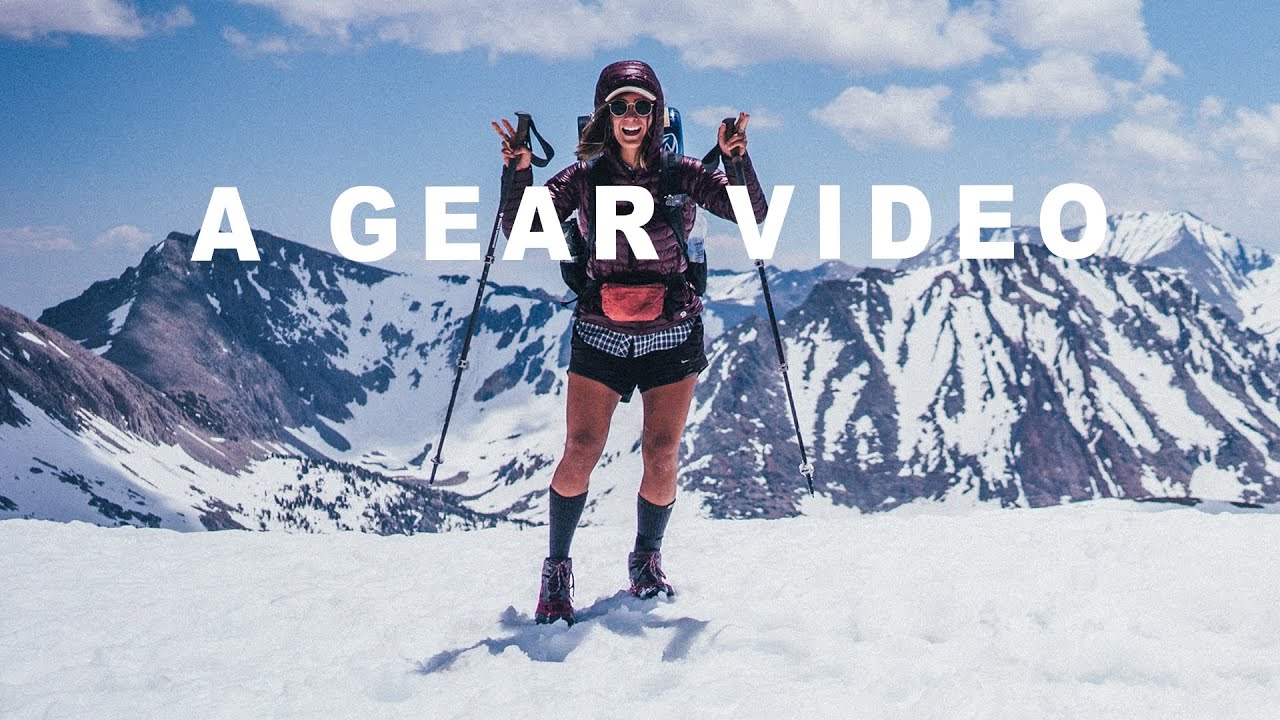
Elina Osborne, who hikes under the trail name “Tip-Tap,” walked the entire 2,650-mile Pacific Crest Trail northbound in 2019, starting at the Mexican border in April and finishing at the Canadian boundary by September. In her video “How I walked 2650 miles with a single backpack | A PCT Gear Video,” the New Zealand filmmaker breaks down exactly what she carried — and why — across five months of desert, granite, and rain. It’s less a gear-review checklist than a working philosophy: pack for the trail in front of you, not for an internet ultralight scoreboard.
- Osborne completed the full 2,650-mile PCT thru-hike NOBO from the Mexico border to Canada between April and September 2019.
- Her video breaks her kit into sleeping, shelter, cooking, clothing, and electronics — including the camera and gimbal setup she used to film the trip.
- Osborne, a video production graduate who has produced content for New Zealand Police and educational initiatives, argues against rigid ultralight dogma in favor of gear matched to personal needs and trail conditions.
The Gear Breakdown, Category by Category
Osborne structures the video the way most experienced PCT hikers actually think about their kit — not as one monolithic “backpack,” but as separate systems that have to work together. Sleeping setup, shelter, a cook kit, a clothing layer system, and electronics each get their own logic, and she’s upfront that trade-offs in one category affect all the others. A warmer sleeping bag buys comfort in the High Sierra’s cold nights but costs pack volume; a smaller cook pot saves weight but limits what you can actually make at camp.
That systems approach is common among hikers who’ve done big miles on trails like the PCT or the Appalachian Trail, where the gap between a “survivable” setup and a “sustainable” one often comes down to a handful of ounces multiplied by 2,650 miles. Anyone weighing their own first long hike — including newer backpackers documented in trips like the first-time Appalachian Trail experience covered elsewhere — runs into the same category-by-category math Osborne lays out.
Base Weight Versus Backcountry Comfort
Osborne doesn’t chase the lowest possible base weight for its own sake. Instead, she frames every gear decision around a simple question: does this item earn its weight in comfort, safety, or durability over roughly five months on trail? That’s a deliberate break from the purist ultralight crowd, and it’s the video’s central argument — minimalism isn’t about deprivation, it’s about intention.
Rather than obsessing over rigid ultralight dogma, she emphasizes choosing gear suited to personal needs and the trail’s varied conditions.
That mindset matters on a trail like the PCT precisely because conditions swing so wildly — scorching, exposed desert through Southern California, then snowpack and river fords through the Sierra Nevada, then the wet, mossy stretches of the Washington Cascades near the Canadian terminus. A kit dialed for one section can fail in the next, which is why Osborne stresses adapting gear on the fly rather than locking into a spreadsheet base-weight number before the hike even starts.
Filming the Trail Without Filming Becoming the Trail
As a video production graduate who’s worked on content for New Zealand Police and educational projects before turning her camera toward thru-hiking, Osborne had a problem most PCT hikers don’t: she had to carry filmmaking gear alongside standard backpacking equipment. Compact cameras, a gimbal for smooth footage, and charging gear all had to earn their place in a pack that already needed to hold five months of shelter, sleep system, and cook kit.
Her solution wasn’t to skip filming — it’s a video, after all — but to keep electronics from dominating either her pack weight or her headspace on trail. She’s explicit that gear, including cameras, shouldn’t get in the way of the physical grind or the social side of a thru-hike, which she treats as the real payoff of the experience.
Community as the Real Gear
Osborne closes her breakdown on a point that has nothing to do with grams or liters: the people you meet matter more than anything in your pack. Preparation and flexibility both matter, but she frames the interpersonal side of a five-month trail — the people you fall in with, lose, and catch back up to along 2,650 miles — as the most vital element of the whole hike, more than any single piece of gear she carried.
That’s the same lesson that keeps showing up across long-distance hiking content, whether it’s someone tackling a shorter route solo like the 40-mile solo trek on the Trans-Catalina Island Trail or a five-month border-to-border push like Osborne’s. The pack list gets you started. It’s the trail family — the people you end up hiking with after starting solo at the Mexican border — that actually gets most NOBO PCT hikers to Canada.



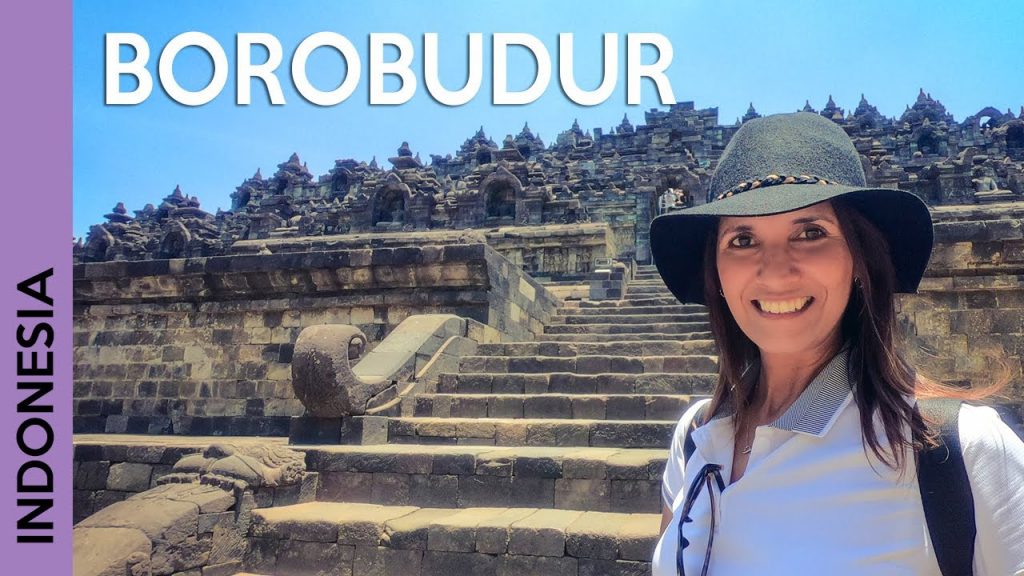



Borobudur, Indonesia | World’s largest Buddhist temple
I IGNORED THE US GOVERNMENT’S WARNINGS AND FLEW TO LEBANON ANYWAY
Norwegian Escape TOUR & cruise ship REVIEW decks and cabins – ReiseWorld travel channel
CLIFF JUMPING & CAVE EXPLORING AT ADMIRALTY HOUSE PARK
Summer Cruise Vlog || Part 1 || Kochi To Singapore!!!!