

 InfoSearched
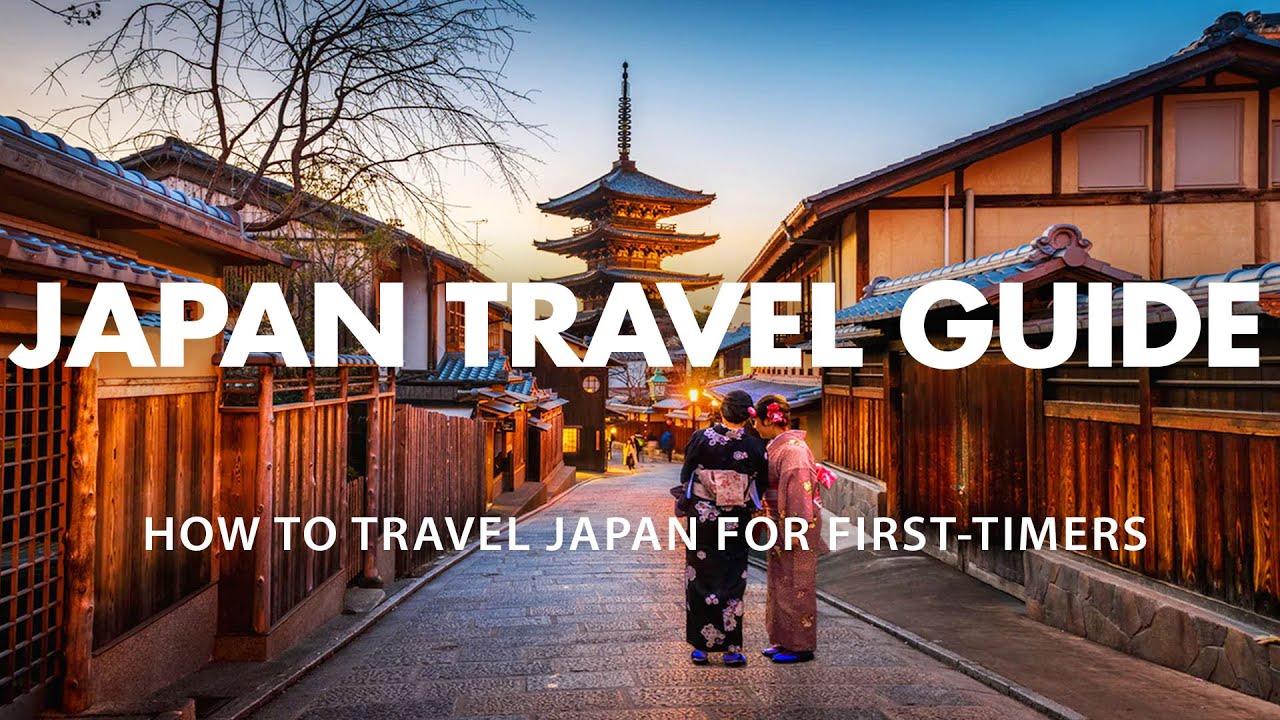
First-time visitors to Japan get one shot at getting the logistics right, and Allan Su spends thirteen-odd minutes making sure they do.
Su, the travel filmmaker behind a growing library of cinematic Japan content, released “Japan Travel Guide – How to Travel Japan” in mid-January 2019 as the anchor piece for his broader series on the country. Shot largely on a Sony A7III, the video strips away the Instagram gloss and gets into the mechanics: when to book flights, how to move between cities, and what to actually do once you land in Tokyo or Kyoto. It’s built for someone who has never set foot in Japan and doesn’t want to waste a single day of the trip figuring things out.
- The guide anchors Su’s larger Japan travel series, which also includes his dedicated “How to Spend 14 Days in Japan” itinerary and standalone travelogues on Tokyo, Nara, and Osaka.
- Su flags the late-spring sakura window as the marquee travel period, timing recommendations around cherry blossom season rather than generic “best time to visit” advice.
- The video was filmed and edited using mirrorless camera gear, specifically the Sony A7III, a setup Su carries throughout the rest of his Japan film series.
Building the Itinerary Around the Blossoms
Su’s timing advice isn’t arbitrary. Cherry blossom season sweeps north through Japan over a matter of weeks each spring, and hitting it in the wrong city on the wrong week means missing the peak bloom entirely. He frames late spring as the marquee window for first-timers, while acknowledging it’s also when flights and ryokans book up fastest and prices climb accordingly. The trade-off he lays out is simple: chase sakura and pay for the privilege, or travel off-peak and get more room to move.
That’s the same tension that runs through most Japan planning threads — beauty versus crowds, budget versus bucket list. Su doesn’t dodge it; he tells viewers upfront what they’re trading for what.
Transit as the Backbone of the Trip
Much of the runtime is dedicated to Japan’s rail network, which Su treats as the single most important logistical piece of the whole trip. Getting comfortable with train navigation — station layouts, platform etiquette, how to actually read the signage — is presented as the difference between a smooth trip and a stressful one. For visitors bouncing between Tokyo and Kyoto, that transit literacy matters more than any single attraction on the list.
The video treats the rail system not as a footnote but as the trip’s backbone — get the trains right, and everything else follows.
Tokyo and Kyoto as the Twin Poles
Su structures the sightseeing recommendations around the country’s two biggest draws for newcomers: Tokyo’s density and pace against Kyoto’s temples and slower rhythm. It’s the same city pairing that shows up across his companion Osaka and Nara travelogues, reinforcing that his series is meant to be watched as a set rather than as one-off clips. Viewers curious about the accommodation side of a Japan trip — including the capsule-hotel format Su references in passing — can find that covered in more depth in his standalone Osaka capsule hotel walkthrough.
He also touches on food and culture as practical checklist items rather than abstract highlights — where to eat, how to behave in a restaurant, what not to do on the train. It’s a guide built by someone who’s clearly made the rookie mistakes himself and is trying to save the next traveler the trouble.
Part of a Larger Pattern in Japan Content
Su’s video lands in a crowded lane of English-language Japan travel content that ranges from etiquette breakdowns to harder-edged cultural reporting, like the CNBC explainer on why Japan works so hard. His approach stays narrowly practical — flights, trains, timing, food — rather than sociological, which is exactly the lane a first-time traveler needs filled before worrying about the bigger cultural questions.
For anyone plotting a first Japan trip off the back of this guide, the next move is obvious: pick a sakura window, book the rail pass, and decide whether Tokyo or Kyoto gets the extra day — because according to Su’s own follow-up itinerary, fourteen days is barely enough to do both properly.








Luxury, High-End Tiny House After Leaving Ex Large Home
I Went Drinking in Mumbai’s Worst Slum
THE 2 MOST BUCKET LIST THINGS TO DO IN ZANZIBAR. Ultimate African Adventures!
CEDAR POINT AMUSEMENT PARK // SANDUSKY OHIO // FAMILY SUMMER VACATION
Top 5 Beaches for Families – Travel Channel