

 InfoSearched
Shanghai doesn’t ease first-time visitors in — it drops them straight into the deep end.
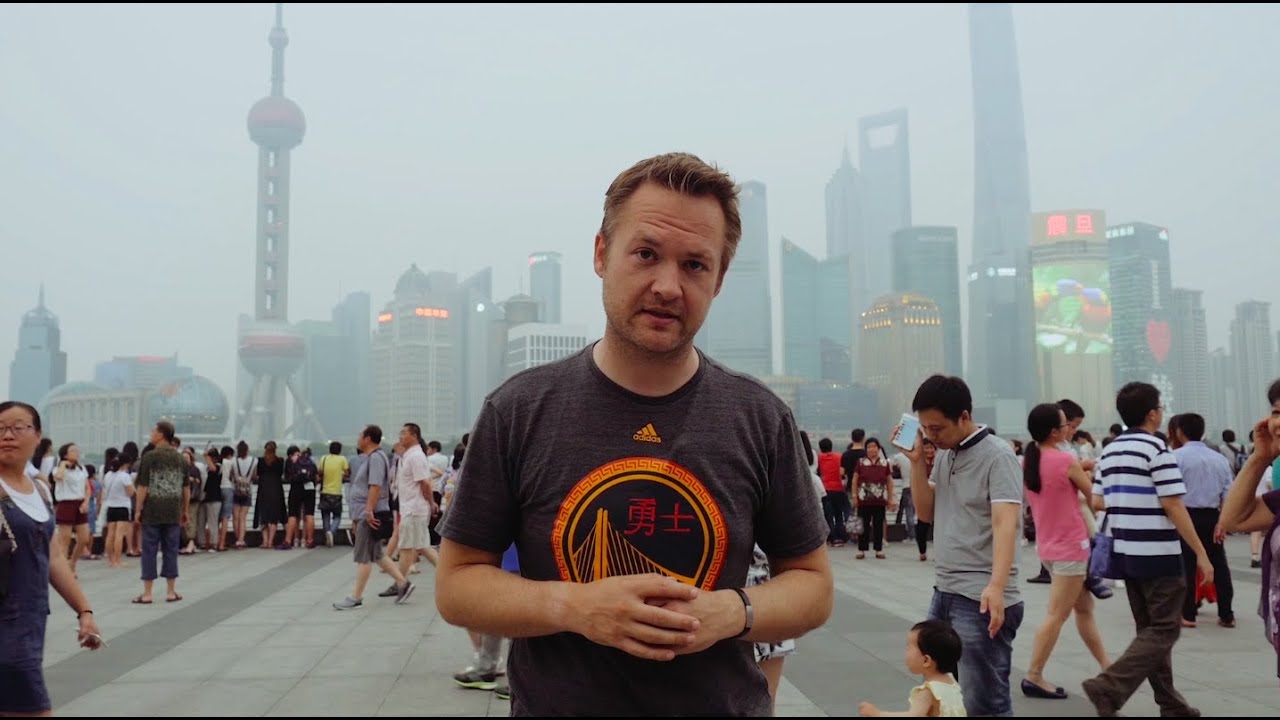
Attaché’s Season 3 city-guide lineup lands in China with host Alex Hunter mapping out a five-day itinerary built for first-timers and business travelers alike. Running about 17 minutes and 47 seconds, the episode treats Shanghai less like a postcard destination and more like a logistics puzzle worth solving — how to get from the airport to the Bund, how to pay for a bowl of noodles, how to read a subway map written half in characters you can’t sound out.
Rather than lingering on skyline shots, the guide moves fast, the same way the city does, stacking practical detail — transit routes, payment apps, street-food etiquette — into a package meant to be watched before you land, not after.
- The episode is structured around a five-day Shanghai trip aimed specifically at first-time visitors and business travelers, part of Attaché’s broader Season 3 slate of city guides.
- It walks through arrival at Shanghai Pudong International Airport, roughly 30 to 40 kilometers from the city center, and compares the Shanghai Maglev train against the Metro system and metered taxis.
- Key stops include the Bund, the Pudong financial skyline, Nanjing Road, the French Concession, and Yuyuan Garden, alongside food callouts to shengjianbao and xiaolongbao.
Landing at Pudong and Choosing a Way In
The guide opens where every Shanghai trip actually starts: touching down at Pudong International, the city’s primary international gateway sitting some 30 to 40 kilometers from downtown. That distance is the first decision point Hunter’s episode flags for viewers — the Shanghai Maglev train offers the fastest link toward the city, while the Metro and metered taxis serve as the workhorse options once travelers are closer to the core.
The emphasis throughout is practical rather than scenic. Attaché treats the airport-to-downtown leg as a logistics choice with real time and cost tradeoffs, not a scenic prelude, which fits the series’ broader habit of prioritizing on-the-ground usability over postcard framing.
The Bund’s Colonial Face-Off With the Pudong Skyline
Once travelers are downtown, the episode centers its visual argument on one contrast: the Bund’s colonial-era waterfront promenade staring directly across the Huangpu River at Pudong’s ultra-modern financial towers. It’s the defining juxtaposition Attaché uses to frame Shanghai — old stone facades on one bank, glass-and-steel skyline on the other, with the river doing the work of separating two very different eras of the same city.
That same tension between heritage and hyper-modern commerce shows up again later in the episode, echoing the kind of built-for-the-future urban planning covered in City of the Future: Singapore, another Asian metropolis built around rapid vertical growth.
Nanjing Road, the French Concession, and Yuyuan Garden
From the waterfront, the guide moves inland to Nanjing Road, Shanghai’s dense commercial corridor, before slowing down in the French Concession and at Yuyuan Garden — two pockets where the pace drops and the history gets older. The French Concession’s tree-lined streets and the garden’s classical courtyards give the episode its counterweight to the financial-district intensity established earlier.
Skip the shengjianbao stall and, according to Attaché’s framing, you’ve skipped the point of the trip.
Eating and Paying Like a Local
Food gets specific treatment: shengjianbao, the pan-fried soup buns, and xiaolongbao, the steamed soup dumplings, are singled out as essential Shanghainese specialties worth building a day around rather than treating as a side stop. That same street-level curiosity around regional dishes runs through AMAZING Street Food in CHINA, which digs into similarly local, rarely-touristed food finds elsewhere in the country.
Alongside the food, the episode spends real time on mobile payment systems and currency handling — a practical hurdle for Western travelers in a city that has largely moved past cash — plus pedestrian and transit safety norms for navigating crowded intersections and packed Metro platforms. It’s the same instinct toward pre-trip, on-the-ground prep that runs through Japan Travel Guide – How to travel Japan, another East Asian primer built around the small logistical details that trip up first-timers most.
For anyone actually mapping the five days Attaché lays out, the route barely strays from a Metro stop — Pudong airport into the city, the Bund across to Nanjing Road, then Yuyuan Garden and the French Concession, all reachable without flagging down a single cab.




New Theme Park (20th Century FOX World?) Construction Progress – Genting Highlands Malaysia
PARADISE BEACH IN EL NIDO, PALAWAN – NACPAN BEACH – PHILIPPINES TRAVEL
15 Things to do in Venice! ☼ Family Travel in Italy
Why does Japan work so hard? | CNBC Explains
Is Positano Worth the Hype?! Italy’s Amalfi Coast