

 InfoSearched
A Norwegian YouTuber goes looking for a bar in the middle of Asia’s largest slum — and finds one.
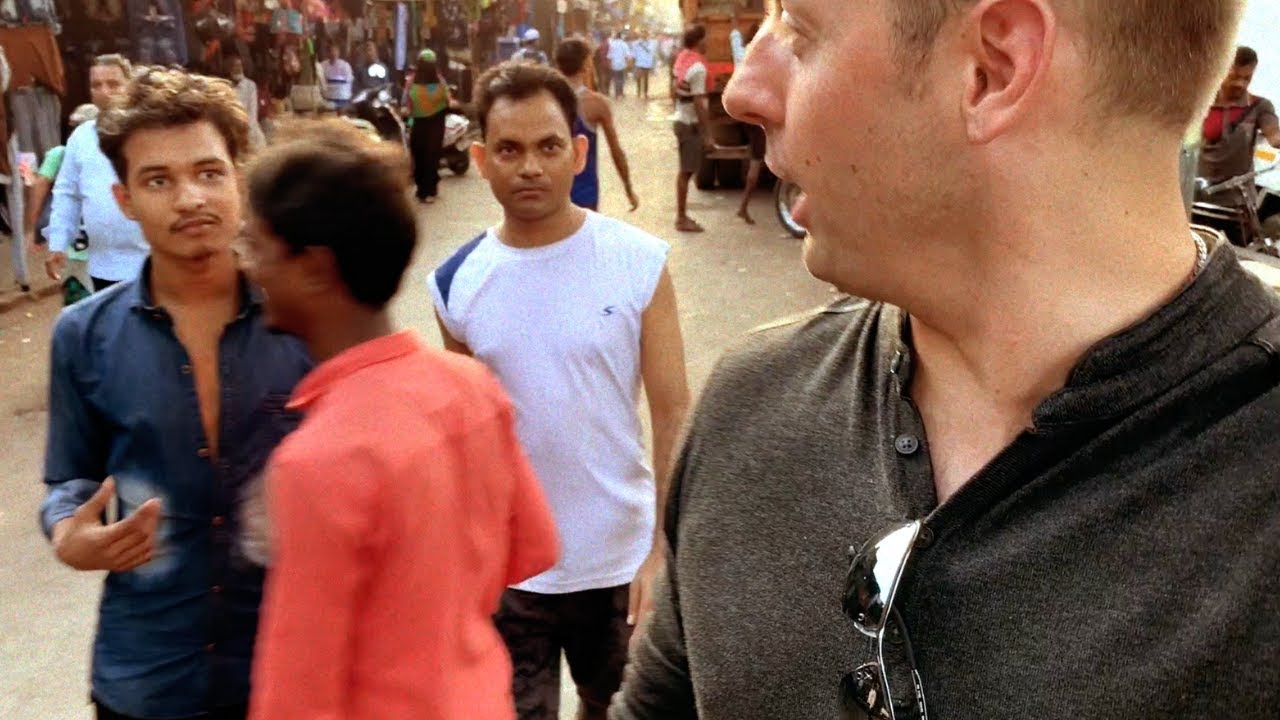
Harald Baldr doesn’t do the postcard version of India. For his video “I Went Drinking in Mumbai’s Worst Slum 🇮🇳,” the Norwegian travel vlogger heads into Dharavi, the sprawling informal settlement in the heart of Mumbai, with one specific goal: skip the guided poverty tour, find a local watering hole, and talk to whoever’s willing to talk back. What he documents is less misery-tourism and more a walk through one of the most productive square miles on the planet.
- Dharavi spans roughly 500 acres and houses an estimated 300,000 to one million residents, making it one of the densest settlements in Asia.
- Its informal economy — leather tanneries, plastic and metal recycling, pottery workshops in the Kumbharwada enclave — generates an estimated $650 million to $1 billion a year.
- Baldr’s on-the-ground footage pushes back directly against the sanitized or sensationalized version of Dharavi popularized by films like Slumdog Millionaire.
Finding the Bar
Dharavi is not exactly built for casual bar-hopping. There’s no sign pointing toward a taproom, no Yelp listing, no expat-friendly rooftop with a view of the water. Baldr’s search takes him down narrow alleys and past open drainage channels, weaving through a settlement where the built environment is dense enough that entire households, workshops, and shopfronts sit within arm’s reach of each other.
The persistence pays off. Tucked into one of those alleys is exactly the kind of place he’s after — little more than a shack with plastic chairs and a table, the kind of spot where residents gather after dark to play cards, watch TV, and drink. It’s not a bar in any Western sense, but it functions as one, and that’s the point.
Meeting Anil
Among the people Baldr meets is a middle-aged resident named Anil, who has lived in Dharavi for more than two decades and is found sitting outside his home with a glass of whiskey and a few friends. Anil explains that drinking out in the open, right on the street, is simply normal here — not a taboo, not hidden, just part of how the neighborhood unwinds once the workday ends.
Baldr is invited to join, and the shared bottle of whiskey becomes the entry point for a longer conversation about life in the settlement — the hardships, sure, but also the pride residents take in a place outsiders tend to write off before they’ve ever walked through it.
Despite the many social and health issues that plague the community, drinking seems to be a way for residents to unwind after a long day — and Anil, twenty-plus years in Dharavi, treats it as nothing unusual at all.
The Economy Behind the Alleys
The reason Dharavi supports thousands of these informal household enterprises isn’t accidental. Between the tanneries producing leather goods for export, the recycling operations sorting plastic and metal scrap from across Mumbai, and the potters of Kumbharwada firing clay in kilns passed down through generations, the settlement runs a self-sustaining economy that outside estimates put between $650 million and $1 billion annually. That figure is easy to miss when the camera default is rubble and desperation — which is exactly the default Baldr is working against.
His footage keeps returning to the same idea: density here doesn’t mean idleness. Every alley he walks down has someone working, cooking, selling, or building something, often within a few feet of where they sleep.
Camaraderie Over Clichés
What sticks in the video isn’t the shock value of a slum crawl — it’s the ordinariness of the hospitality. Residents wave Baldr in, pour him a drink, and answer his questions without performing for the camera. The sense of community he describes, the fierce protectiveness people feel over a neighborhood most of Mumbai looks past, runs directly counter to the flattened image most outsiders carry into Dharavi.
Travelers curious about this kind of unscripted, street-level approach to a destination will find a similar spirit in Foreigners NOT Welcome: Indian Street Food Ahmedabad, another vlog built around talking your way into a place that isn’t set up for visitors. It’s the same instinct that drives India’s Hippie Village: Hampi, where the draw isn’t the monument, it’s the people who actually live there.
Baldr leaves Dharavi with his glass empty and his assumptions rearranged — a slum that outsiders reduce to a single word turns out to run on card games, whiskey shared on doorsteps, and an economy most tourists never see past the highway overpass. That’s the whole video: not a lecture on poverty, just a Norwegian with a camera who found the bar he was looking for.


Abandoned 6 -Star Resort in Thailand – S3E02 vlog
Travel To Bali 2019 | Family Travel Vlog
LIVING WITH A TURKISH FAMILY IN IZMIR ????????
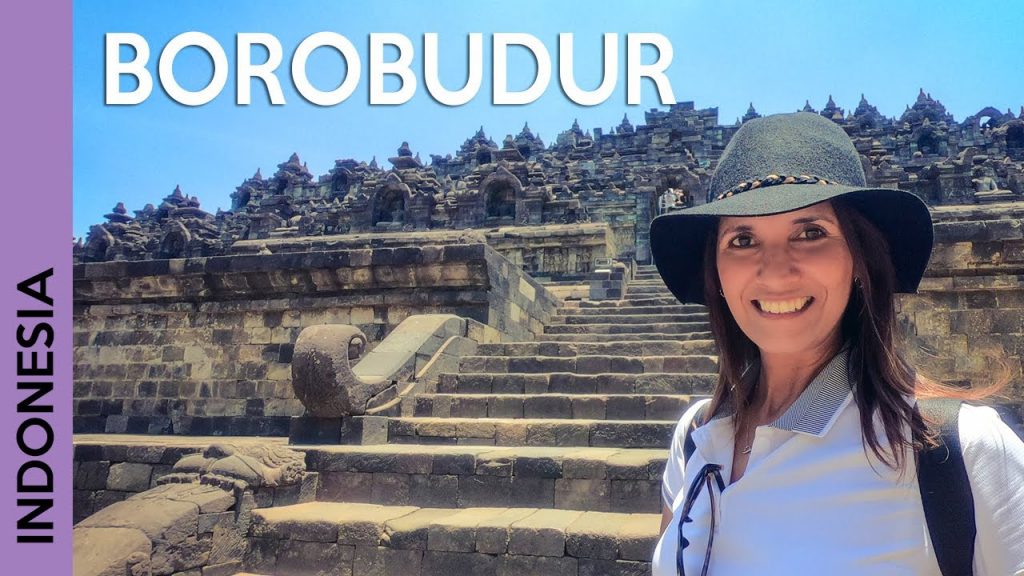
Borobudur, Indonesia | World’s largest Buddhist temple
TOUR AND TEST DRIVE OF 2007 PREVOST FEATHERLITE COACH