

 InfoSearched
Canada looks like the friendliest country on earth right up until the bill arrives with four different taxes stacked on it.
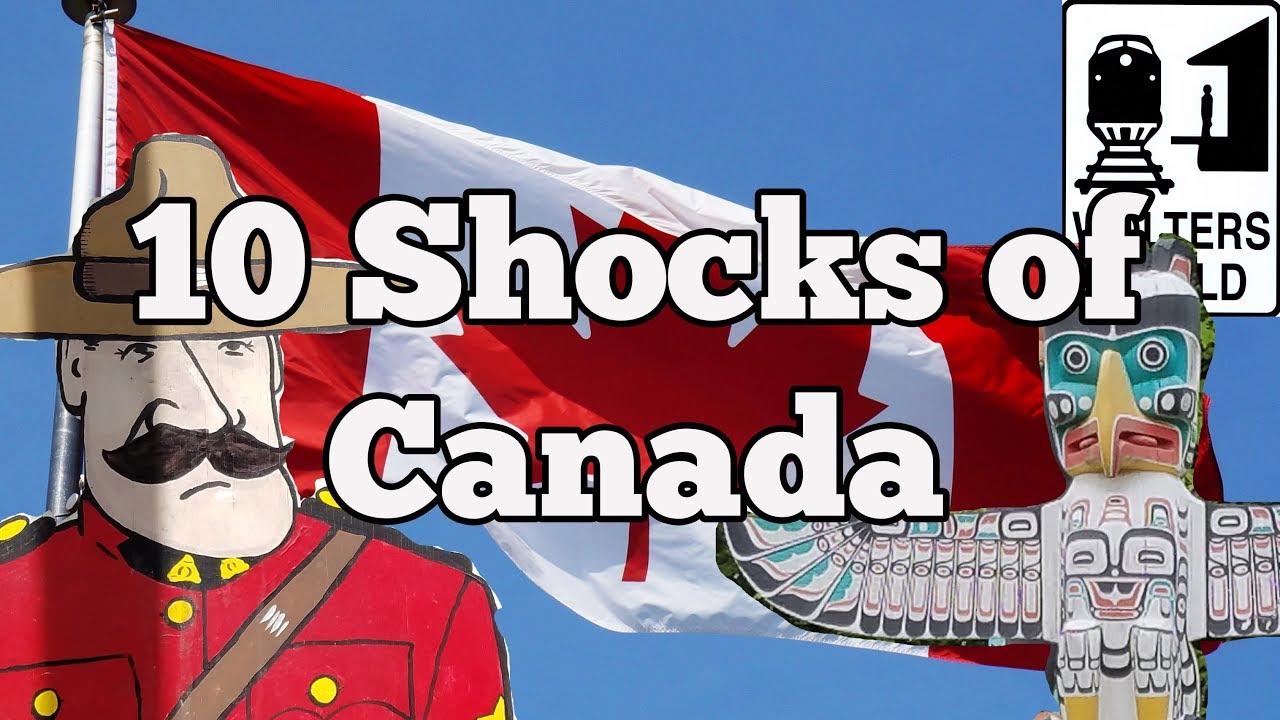
Mark Wolters of Wolters World spent a month driving across Canada, and his video “Visit Canada – 10 Things That SHOCK Tourists about Canada” is less a highlight reel than a survival briefing. It’s built around real logistics — sales tax at the register, the size of the country, the language split in Quebec — rather than postcard scenery. Wolters frames it plainly: Canadians really are as nice as advertised, but the country itself will still catch you off guard.
- Provincial, federal, and municipal sales taxes get tacked onto the sticker price at checkout, typically running 5% to 20% on top of what’s marked — a shock Wolters says hits European visitors hardest.
- Driving between destinations like Prince Edward Island and Quebec eats full days, often through stretches with little to no cell coverage.
- Quebec’s French-speaking culture creates a real bilingual divide, while pedestrians elsewhere in the country step into traffic assuming vehicles will stop for them.
Nice Is the Default, Not the Exception
Wolters’ central argument is that Canadian politeness isn’t performative. The constant “sorry” Americans and Europeans notice within minutes of crossing the border, he says, reflects genuine helpfulness rather than a scripted courtesy. He backs it with the kind of anecdote that sticks: strangers going out of their way on his month-long drive to make sure he wasn’t lost, wasn’t stuck, and wasn’t overpaying for something he didn’t need.
That warmth runs into a harder cultural line in Quebec, where French is the working language and the province operates with a distinct identity from the rest of English-speaking Canada. Wolters treats this less as a quirk and more as a genuine adjustment point — tourists expecting one uniform “Canadian” experience end up navigating what feels like two different countries stitched together.
The Country Is Bigger Than the Itinerary Suggests
Canada’s size is the shock that catches planners off guard before they even land. Wolters points to the drive from Prince Edward Island to Quebec as a case study — a trip that isn’t a quick regional hop but a full day or more behind the wheel, often through rural stretches where cell service simply disappears. Anyone building a trip around a map that shows cities close together is going to lose a lot of time to the actual distances between them.
That geography problem compounds for visitors trying to string together multiple provinces on one trip, the same logic that trips up drivers attempting long American road corridors like the one covered in this coast-to-coast road trip breakdown — the miles add up faster than the schedule allows.
The Real Cost of a Canadian Vacation
Vancouver, Toronto, and Montreal carry big-city prices, and Wolters warns that the number on the menu or price tag is never the number charged at the register. Provincial, federal, and municipal sales taxes layer on top of the listed price — a combined hit that can run anywhere from 5% to 20% depending on the province and purchase. Add standard tipping expectations of 15% to 20% on top of that, and a trip budgeted around sticker prices runs short fast.
Sales tax gets added at the register — not included in the price you see on the shelf.
Wolters singles out European travelers as the most likely to get blindsided, since VAT-inclusive pricing back home means the number on the tag is the number paid. Canada does the opposite, and the gap shows up as a surprise at checkout every single time. It’s the same kind of pre-trip budgeting gap covered in this breakdown of hidden costs in Australia, where the advertised price and the actual price rarely match.
Traffic, Winters, and What’s on the Plate
Right-of-way laws in Canada favor pedestrians aggressively — Wolters notes people step off the curb into traffic with a confidence that unnerves visitors used to waiting for a clear break. Winters, meanwhile, aren’t just cold by another country’s standards; they’re a legitimate logistical obstacle that shapes how and when people travel between provinces at all.
Food rounds out the list of shocks, and it’s the one visitors actually enjoy. Poutine — fries topped with cheese curds and gravy — shows up everywhere, alongside a near-religious devotion to Kraft Dinner, Tim Hortons runs, and maple syrup on everything that will hold it. None of it reads as gimmick food in Wolters’ telling; it’s just what Canadians actually eat, all the time, without irony.
Cultural Comparisons Analyzed
Wolters has built his channel on exactly this format — culture-shock breakdowns for entire countries — and Canada slots in alongside his takes on European travel norms covered in this rundown of what catches visitors off guard in Europe. The throughline in both is the same: the shock isn’t the scenery, it’s the logistics nobody warns you about until you’re standing at the register or stuck without signal three hours from the next town.
For anyone actually plotting a Canadian itinerary off the back of this video, the math is simple — budget for the tax on top of the price, tip 15% to 20% without blinking, and don’t schedule Prince Edward Island to Quebec as a same-day drive.









RV Tour ???? SOLO FEMALE Full Time RV Living in an Airstream Basecamp ???? with a Dog and Cat
I IGNORED THE US GOVERNMENT’S WARNINGS AND FLEW TO LEBANON ANYWAY
Travel With Me In Oman!
EXPLORING ST. GEORGE, BERMUDA | TOBACCO BAY BEACH | TRAVEL VLOG
IRELAND WITH KIDS – 5 Reasons to visit | Family Travel Vlog – Traveling Graces