

 InfoSearched
Dakota Wint skips the well-worn hippie trail for a Karnataka ruin field most backpackers never reach.
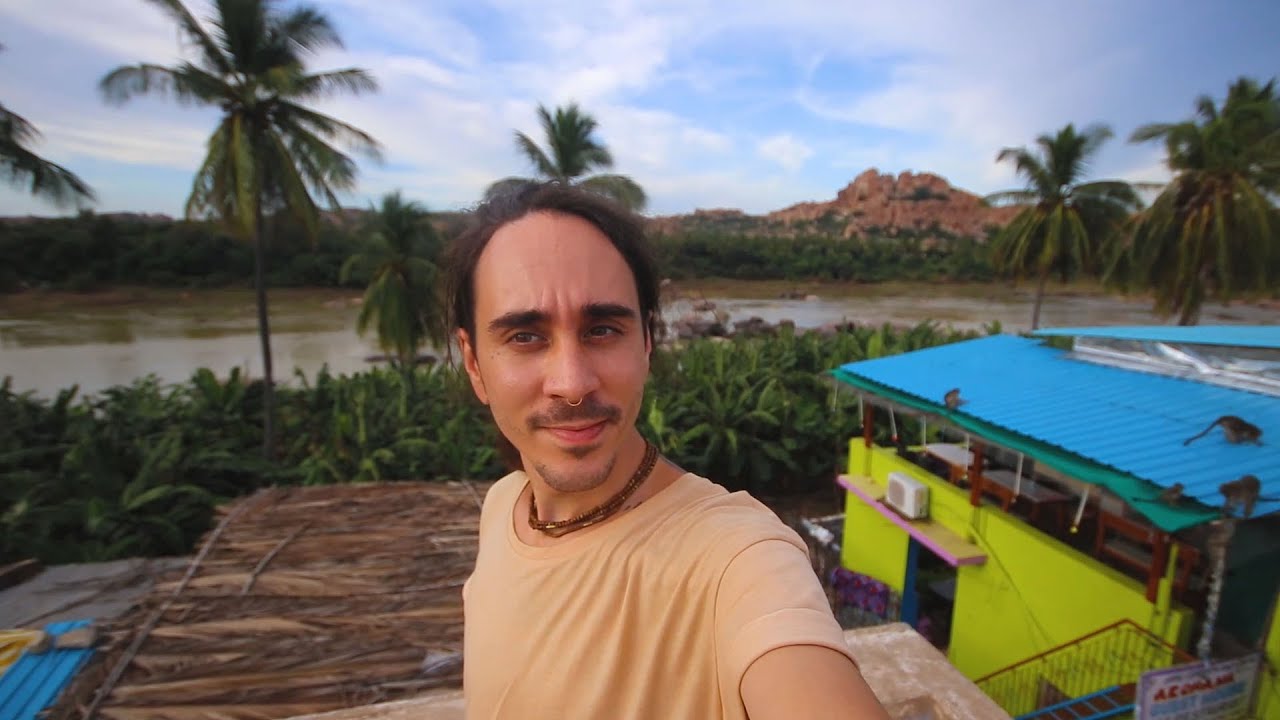
In “INDIA’S HIPPIE VILLAGE: HAMPI 🇮🇳,” travel creator Dakota Wint — who posts under the handle dakota of earth — pitches Hampi as the alternative to India’s usual counterculture circuit of Kasol, Rishikesh and Goa. His first day in the village takes viewers through crumbling temple courtyards, riverside guest houses, roadside food stalls and a monkey-heavy hillside, all building toward the sunset he calls one of the best he’s seen in the country. The video treats Hampi less as a stopover and more as the payoff for travelers willing to detour off the standard hippie map.
- Hampi sits in the Tungabhadra River basin in Karnataka’s Bellary district and contains the ruined capital of the Vijayanagara Empire, which ran the region from the 14th century until its fall after the Battle of Talikota in 1565.
- UNESCO designated the Group of Monuments at Hampi a World Heritage Site in 1986; the protected zone covers more than 4,187 hectares and holds over 1,600 surviving monuments.
- Modern Hampi splits into two zones — the sacred temple ruins on the southern bank of the Tungabhadra and the backpacker enclave on the northern bank known as “Hippie Island” (Virupapur Gaddi), with guest houses, cafes and boulder fields.
An Empire Reduced to Stone
What Wint’s camera wanders through isn’t scattered rubble — it’s the remains of one of the wealthiest kingdoms India ever produced. The Vijayanagara Empire controlled the Deccan for roughly two centuries before Talikota broke it in 1565, and what’s left still sprawls across a UNESCO-protected footprint bigger than 4,000 hectares. The Virupaksha Temple anchors the site as a still-active place of worship, while the Hemakuta group, the Krishna temple complex, the Narasimha monument and the Vitthala temple complex — famous for its Dravidian stone carving — round out the archaeological property alongside secular Indo-Islamic structures like the Queen’s Bath and the Elephant Stables.
More than 1,600 surviving monuments spread across over 4,187 protected hectares — a capital city reduced to ruins after a single battle in 1565.
Hippie Island Versus the Temple Bank
The video’s framing of Hampi as a hippie alternative isn’t just marketing — it reflects an actual geographic split. The southern bank holds the sacred ruins and the working temple town; cross the Tungabhadra and you land on Virupapur Gaddi, nicknamed Hippie Island, where cheap guest houses, cafes and boulder-strewn landscapes have drawn backpackers away from Goa’s beaches and Kasol’s Parvati Valley scene for years. Wint’s footage of locals, street food and monkeys plays out largely on the more lived-in, less-manicured side of that divide, which is part of why he pitches it as a rawer alternative to Rishikesh’s ashram tourism or Goa’s party circuit — a comparison worth weighing against footage from other India-focused street food coverage like Foreigners NOT Welcome: Indian Street Food Ahmedabad.
Preservation Under Two Authorities
Hampi’s monuments don’t manage themselves. Oversight runs jointly through the Archaeological Survey of India and the Hampi World Heritage Area Management Authority, which exist specifically to balance heritage protection against the commercial guest-house and cafe economy that’s grown up around Hippie Island. That tension — ancient stonework a short walk from backpacker hostels — is exactly what gives Wint’s video its contrast: sacred ruins on one riverbank, a counterculture scene on the other, both sharing the same UNESCO boundary.
Food, Monkeys and the Sunset
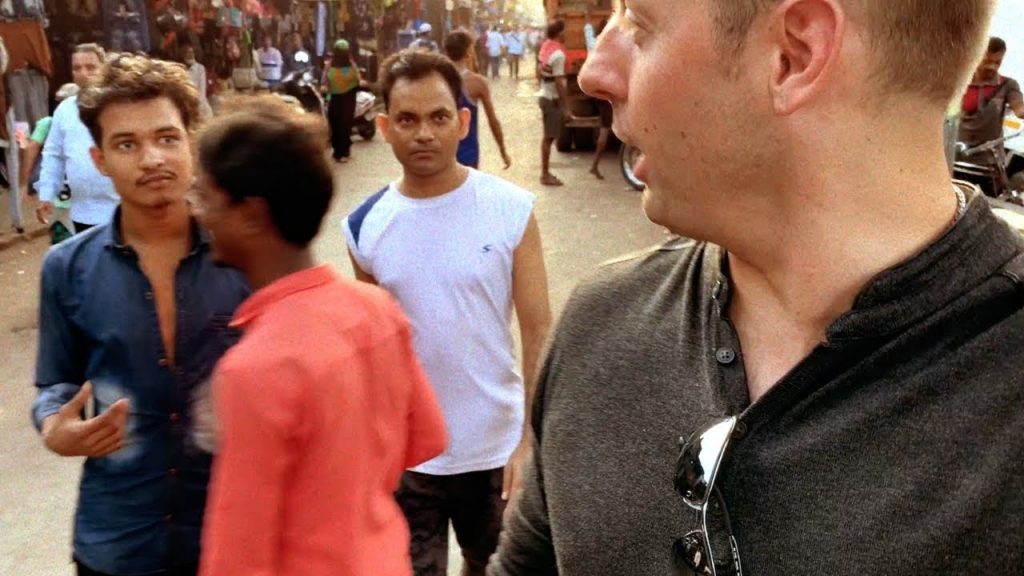
Beyond the ruins, the video leans on the textures that make a place stick in a traveler’s memory — roadside cuisine, the resident monkey population that treats the boulder terrain as home turf, and the sunset Wint singles out as a personal highlight. It’s the same sensory approach viewers get from other ground-level India travel coverage, including accounts like I Went Drinking in Mumbai’s Worst Slum, where the point isn’t the monument list but what it actually feels like to be there.
Wint frames this as day one of his time in Hampi, which leaves the rest of the trip — Matanga Hill, the boat crossing to Hippie Island, whatever comes after that sunset — for the follow-up footage he’s already teased to his audience.







Foreigners SHOCKED in PUERTO GALERA – Big La Laguna Beach (Travel Philippines)
South Africa Family Vacation by Travel With Kids // TWKTours.com
South Africa Family Vacation by Travel With Kids // TWKTours.com
Family Travel with Colleen Kelly – Dallas, Texas
The Closed History of MGM Grand Adventures Theme Park | Expedition Extinct