

 InfoSearched
A married couple built their own 66-foot escape hatch, and the pandemic just gave them the perfect excuse to prove it works.
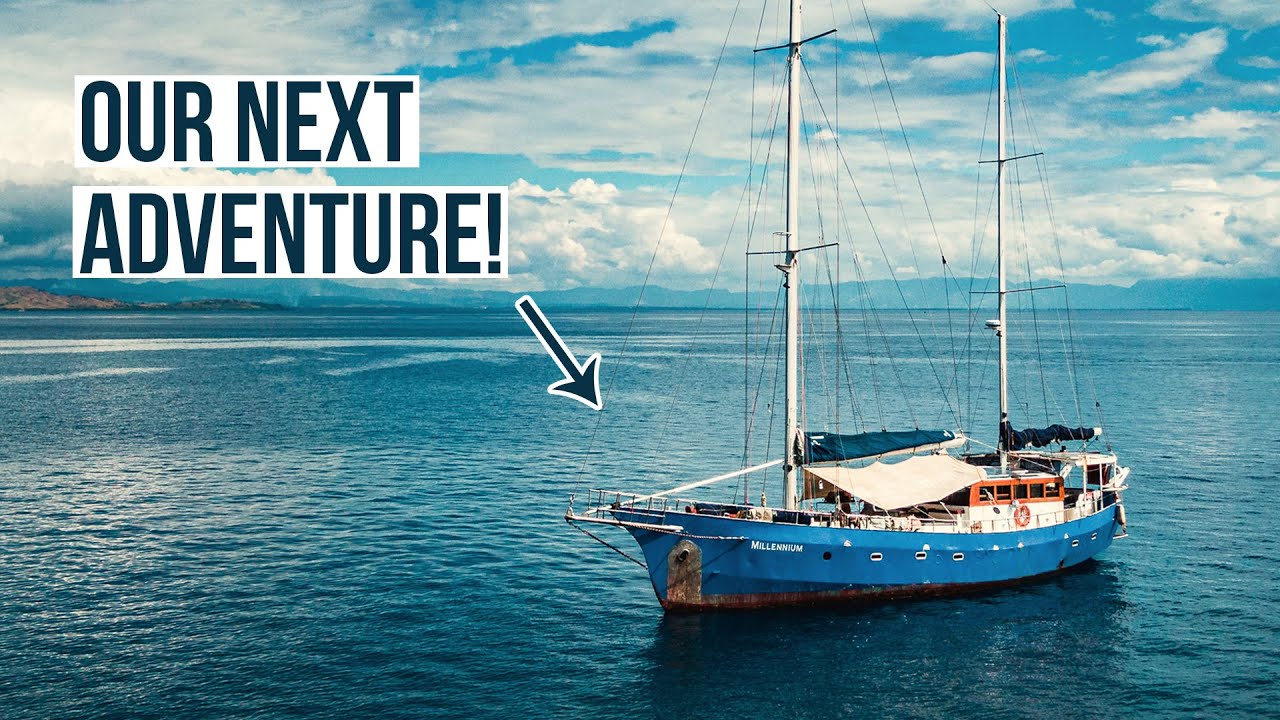
Jason and Nikki Wynn have been living off-grid on “wheels and keels” since 2011, first in an RV and now aboard SV Oceanic, a custom-built 66-foot expedition sailboat. In July 2020, with much of the world locked down and their vessel anchored off a remote island, the couple behind the channel Gone with the Wynns opened up the boat for a full walkthrough. The result is less a lifestyle brag and more a systems briefing: how a family stays fed, powered, and watered when the nearest marina isn’t an option.
- SV Oceanic is a custom-built 66-foot expedition sailboat, purpose-designed for extended off-grid ocean voyaging rather than coastal cruising.
- Jason and Nikki Wynn have documented off-grid travel since 2011, transitioning from land-based rigs to a self-sufficient sailing platform.
- The tour was filmed while the couple was stranded on a remote island during the COVID-19 pandemic, forcing them to rely entirely on the boat’s independent systems.
The Wynns Build Custom Vessel
The Wynns didn’t buy Oceanic off a brokerage listing — they built it, applying nearly a decade of lessons learned living in vehicles to a hull meant for open water. That “wheels and keels” pedigree matters here: the same instinct that drove them to convert rigs for years of van and RV travel is what shaped Oceanic’s layout, storage, and power budget. Viewers who’ve followed builds like the Sprinter van converted into a tiny home for full-time van life will recognize the same design logic scaled up to a deep-ocean vessel — every cubic foot fighting for a job.
Freshwater, Power and the Systems That Keep the Boat Alive
The core of the tour is the machinery that lets Oceanic go weeks or months without touching shore power. Freshwater production is generated independently onboard rather than hauled in from a dock, and the boat’s energy setup is custom-engineered to keep batteries charged without plugging into a marina. It’s the same off-grid math the Wynns applied on land, just adapted for a vessel that has to survive rough seas instead of rough roads.
Since 2011, self-reliance hasn’t been a vacation theme for the Wynns — it’s been the only way they’ve lived, on wheels and now on keels.
Living Aboard During Isolation
What makes this particular tour notable is the timing: it was filmed while the Wynns were stuck on a remote island during the pandemic, with no marina, no provisioning run, and no quick fix if something broke. That’s exactly the scenario expedition sailboats like Oceanic are engineered for — long-term survival at anchor, far from any port. Anyone who’s followed off-grid setups like a yurt running on solar panels and harvested rainwater will see the parallel logic at sea: generate your own power, capture your own water, and plan for isolation as the default, not the exception.
Built for Deep-Ocean Voyaging, Not Just Island Hopping
The 66-foot hull isn’t just about interior square footage — it’s structural overkill by design, built to handle open-ocean passages far from shore support. Combined with the boat’s liveaboard accommodations, engineered specifically for long stretches away from land, Oceanic reads less like a cruising yacht and more like a self-contained research vessel that happens to have a family living aboard it.
For the Wynns, the pandemic didn’t change the plan so much as stress-test it — Oceanic was already built to keep them fed, watered, and powered with nobody else around, and a remote island lockdown just happened to be the scenario that proved it.






Travel to – Costa Rica
BEST BEACH IN VIETNAM – Nha Trang Beach & Walking Street
Boarding The LARGEST CRUISE SHIP IN THE WORLD! – Symphony of the Seas Inaugural Cruise
HOW TO TRAVEL ON A SUPER TIGHT BUDGET!!
PARADISE BEACH IN EL NIDO, PALAWAN – NACPAN BEACH – PHILIPPINES TRAVEL