

 InfoSearched
Australia looks like paradise on Instagram, but the price tag can wreck a backpacker’s budget before the second week is out.
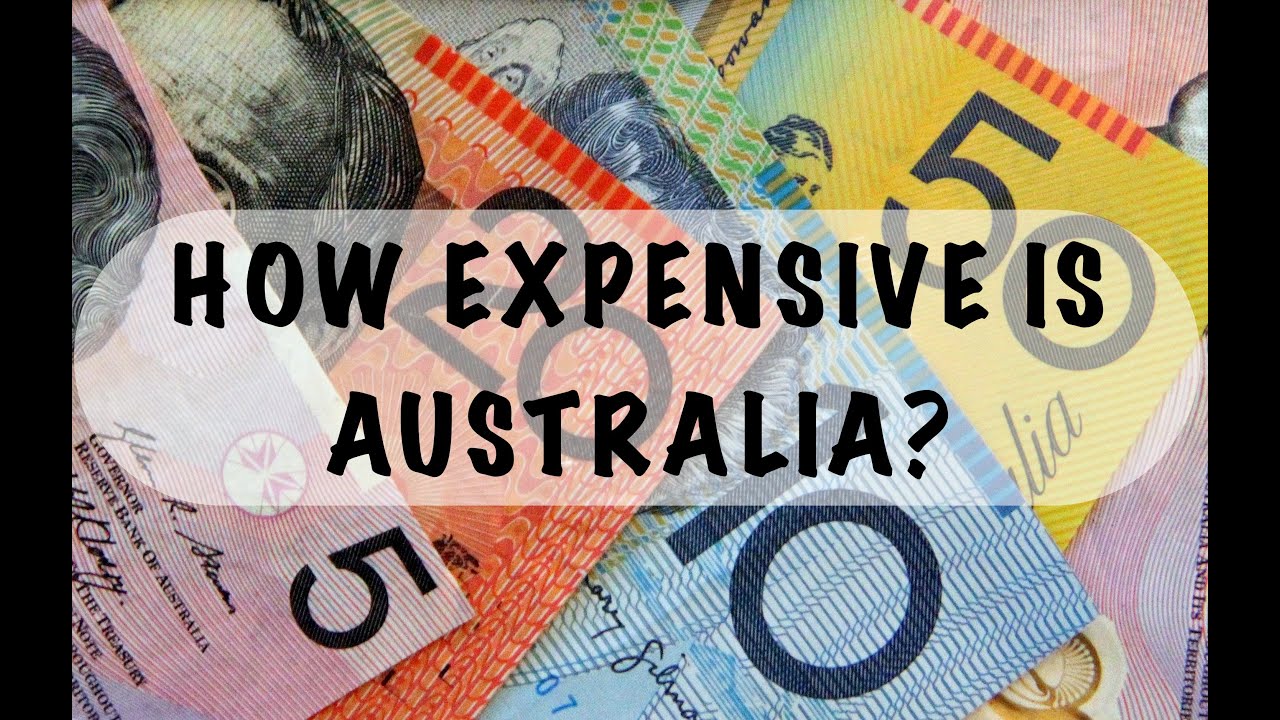
British vlogger Aly, who runs the channel PsychoTraveller, spends 10 minutes and 39 seconds walking prospective visitors through exactly why Australia has a reputation as one of the priciest backpacking destinations on the planet. Her video, “TRAVEL TIPS: HOW EXPENSIVE IS AUSTRALIA?”, is part of her ongoing “How Expensive Is Travel?” playlist, where she breaks down real costs for countries she’s actually lived and traveled in rather than recycling generic guidebook numbers. A Birmingham-born psychology graduate who now travels full-time as a digital nomad, Aly built her channel on exactly this kind of honest, lived-in budgeting advice.
- The video runs 10 minutes and 39 seconds and sits inside Aly’s “How Expensive Is Travel?” playlist on PsychoTraveller.
- Aly structures the breakdown around three core expense categories: accommodation, food, and transport.
- Accommodation in Australia can swing from roughly AUD $20 a night in a hostel dorm up to AUD $300 for higher-end stays, while a restaurant meal typically runs AUD $15 to $50 per person.
Australia Imposes High Living Costs
Australia routinely gets flagged as one of the most expensive countries to backpack through, and Aly’s video treats that reputation as the starting point rather than the punchline. Public transport in Sydney or Melbourne can run around AUD $15 a day on top of food and lodging, which adds up fast for anyone trying to stretch a working-holiday visa across several months. Compare that to the shoestring math laid out in HOW TO TRAVEL ON A SUPER TIGHT BUDGET!!, and Australia’s baseline costs sit noticeably higher than in Southeast Asia or parts of South America.
Big-ticket attractions push the average daily spend even higher. A day trip to the Great Barrier Reef from Cairns runs about AUD $200 per person, and the Gold Coast’s Dreamworld theme park charges around AUD $99 for entry — numbers that can blow out a tight itinerary in a single afternoon.
A day trip to the Great Barrier Reef from Cairns runs about AUD $200 a head — nearly matching what a budget traveler might spend on food and transport for an entire week.
Accommodation, Food and Transport, Category by Category
Aly’s video works through the same three buckets that trip up most first-time visitors. Accommodation is the widest range of the three, stretching from AUD $20 hostel beds to AUD $300 hotel rooms depending on how much comfort a traveler wants. Food sits in the AUD $15 to $50 range per restaurant meal, which is why cooking in a hostel kitchen rather than eating out becomes one of the most repeated pieces of budget advice among long-term travelers in Australia. Transport, meanwhile, is the daily grind cost — around AUD $15 a day in a major city like Sydney or Melbourne just to get around on buses, trains, or ferries.
None of these figures are outrageous individually, but stacked together over weeks or months of travel, they explain why Australia consistently ranks near the top of expensive-destination lists that budget-focused creators like Aly build their content around.
Timing a Trip Around the Seasons
One of the more practical tips threaded through the video is seasonal timing. Peak season in Australia runs from December through February, when prices for flights and accommodation climb alongside the crowds. The shoulder seasons — March to May and September to November — bring milder weather, thinner crowds, and noticeably better rates on both flights and lodging, making them the smarter window for anyone trying to keep a trip affordable.
That kind of seasonal planning echoes the strategy laid out in How I Afford to Travel 💸 + Tips for Traveling on a Budget, where booking outside peak windows is treated as one of the cheapest ways to cut a trip’s total cost without cutting the experience short.
Keeping Spending in Check on the Ground
Aly’s advice for staying within budget once you’ve landed is straightforward: set a daily spending target and track it, lean on public transport instead of taxis or rideshares, and default to hostels or budget hotels over pricier alternatives. She also flags travel insurance as a non-negotiable line item, since healthcare costs in Australia can be steep if something goes wrong mid-trip. It’s a small expense upfront that avoids a potentially much larger one later.
Between the free walking tours, city parks, and art galleries she points to as low-cost fillers for an itinerary, the overall picture from the video is that Australia doesn’t have to bankrupt a backpacker — it just requires the kind of category-by-category budgeting that Aly runs through, rather than assuming the trip will sort itself out once you’re on the ground.







RV Tour ???? SOLO FEMALE Full Time RV Living in an Airstream Basecamp ???? with a Dog and Cat
Royal Caribbean Liberty Of The Seas Ship Tour
Full Tour of our NEW RV! The 2021 LTV Wonder RTB
PALAWAN VOTED BEST ISLAND IN THE WORLD ???????? HERE’S WHY
Hawaii 2017 – A Trip Through Paradise