

 InfoSearched
A homeowner traded a sprawling house for 300 square feet on wheels — without giving up a single luxury.
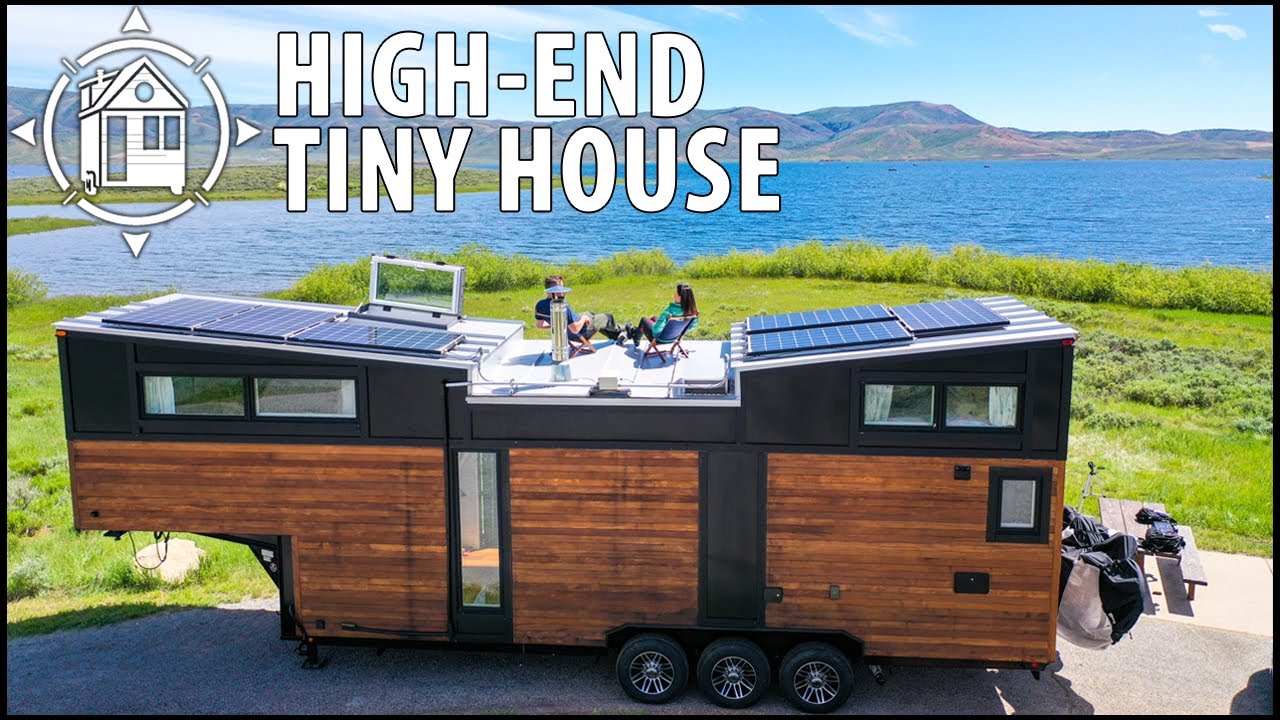
Jenna Spesard’s YouTube channel, Tiny House Giant Journey, has spent years profiling the people who walk away from conventional homeownership. Her latest tour breaks from the usual minimalist-build formula and instead follows a homeowner who left a large, conventional house behind for a custom-built, high-end tiny home on wheels. The result is less “off-grid cabin” and more boutique hotel suite, shrunk down to fit a trailer chassis.
- The homeowner downsized from a conventional, sprawling house into a fully custom tiny home built on a trailer footprint.
- The build includes premium residential appliances, gourmet kitchen finishes, and spa-inspired bathroom fixtures rather than the stripped-down basics typical of budget tiny houses.
- Storage and layout were engineered specifically around the trailer’s dimensions, allowing high-end design elements without sacrificing usable space.
From Big House to Small Footprint
The tour opens with the backstory that anchors the whole video: a homeowner who once lived in a large, traditional house decided the square footage wasn’t worth what it cost — in money, upkeep, and clutter. That decision to leave a big home for a tiny one is the throughline of Spesard’s channel, which has built its audience on documenting the financial and lifestyle reasoning behind giving up conventional houses for intentional, downsized living.
What separates this build from the typical Tiny House Giant Journey feature is the refusal to treat “tiny” as a synonym for “basic.” Instead of built-in compromises, the homeowner worked with a builder to replicate the comforts of the old house — just condensed and engineered to fit a custom trailer.
Gourmet Kitchen, Spa Bathroom
The kitchen is the video’s centerpiece: full-size, residential-grade appliances squeezed into cabinetry designed specifically for the trailer’s dimensions, with finish work that reads more like a remodeled suburban kitchen than a camper galley. The bathroom follows the same logic, trading the standard tiny-house wet bath for spa-inspired fixtures that wouldn’t look out of place in the master bath of the house the owner just left.
Downsizing didn’t mean giving up the gourmet range or the spa-style shower — it meant building all of it into a footprint you can tow behind a truck.
Storage gets the same treatment. Rather than open shelving or exposed hooks, the build leans on integrated, custom-engineered storage tucked into walls, stairs, and platforms — the kind of detail that separates a hobbyist tiny house from a professionally designed one.
The Case for Downsizing Without Downgrading
Spesard’s video makes the point that a lot of prospective downsizers assume moving into a tiny house means giving up personal style along with square footage. This build argues otherwise: high-end materials, premium fixtures, and a layout built around the homeowner’s actual habits, not a generic tiny-house template. It’s the same argument other builders in the space have made — that a custom trailer footprint doesn’t have to mean stripped-down living, an idea readers can see echoed in tours like the hidden-shower luxury tiny home on wheels that took a similar high-end approach to a mobile build.
For anyone weighing the leap from a conventional house to something this size, the video functions as a practical case study more than an aspirational reel — showing exactly what gets kept, what gets custom-built, and what a homeowner is willing to spend to avoid feeling like they’ve downgraded.
Tiny House Movement Context
Tiny House Giant Journey has built its channel around exactly this kind of build: not the cheapest, not the smallest, but the ones that show what’s possible when budget isn’t the primary constraint. Viewers looking for the other end of that spectrum — where affordability drives every decision — can compare this tour against a build like the $15,000 DIY tiny house built for debt-free living, which takes the opposite approach to the same underlying goal of ditching a big mortgage.
Either way, the appeal Spesard keeps documenting is the same: a homeowner deciding that square footage was never the point, and building something smaller that actually fits how they live.







CEDAR POINT AMUSEMENT PARK // SANDUSKY OHIO // FAMILY SUMMER VACATION
Ngapali Beach Travel Highlights
How to Turn Any SUV into a Camper (With No Permanent Modifications!)
Travel With Me In Oman!
AMAZING Street Food in CHINA | RARELY SEEN Street Food ADVENTURE TRAVEL VLOG